Notting Hill Gate garden maintenance by local gardeners
Posted on 03/11/2026

Notting Hill Gate Garden Maintenance by Local Gardeners: A Practical Guide for Busy London Homes
If your outdoor space in Notting Hill Gate has started to feel a little more "catch-up job" than calm retreat, you are in the right place. Notting Hill Gate garden maintenance by local gardeners is about more than keeping things tidy; it is about protecting plant health, managing seasonal growth, and making sure a London garden works well in real life. Narrow side access, shaded corners, compact patios, mature shrubs, and unpredictable weather all shape what maintenance needs to look like here. This guide walks you through how it works, what good maintenance includes, and how to choose the right support without overcomplicating it.
Let's face it, most gardens do not fail dramatically. They quietly drift. A few weeds here, a tired lawn there, and suddenly the whole space feels heavier than it should. The good news? With the right routine and a local eye for detail, that drift is easy to reverse.
Why Notting Hill Gate garden maintenance by local gardeners Matters
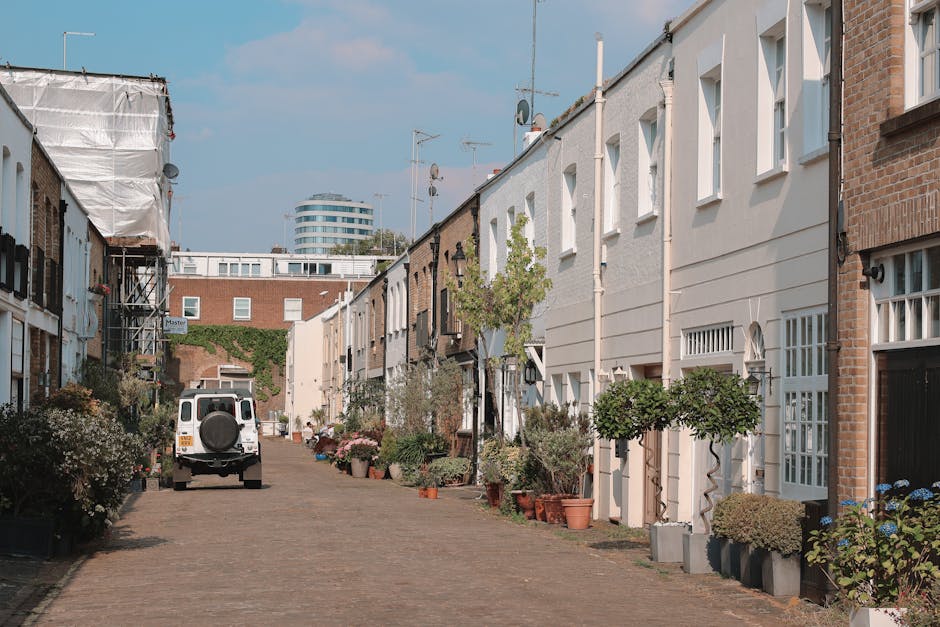
Gardens in Notting Hill Gate are often compact, private, and used intensively. That means small problems can become visible very quickly. A patch of moss on a path, a hedge that has not been cut back properly, or a lawn that has lost its shape can change the whole feel of the space. In a built-up part of West London, outdoor areas also tend to have shade from walls and buildings, more foot traffic, and less room for error.
Local gardeners bring something useful here: they understand the quirks of nearby gardens. They know how quickly clipped hedges can grow after a damp spell, how sheltered courtyards hold moisture, and how a windy terrace can punish delicate planting. In practice, that means maintenance choices are more grounded and less guesswork-heavy. If your garden needs a reset rather than a full redesign, garden maintenance support in Holland Park can be a sensible nearby reference point for the kind of care many local gardens need.
A well-kept garden also does more than look neat. It helps prevent overgrowth, improves drainage around beds and hard surfaces, supports healthier planting, and keeps maintenance costs from creeping upward over time. A little attention, regularly applied, usually beats one heroic weekend with secateurs and regret.
Expert summary: In a place like Notting Hill Gate, good garden maintenance is less about grand gestures and more about steady, local, season-aware care that keeps the space usable and attractive all year.
How Notting Hill Gate garden maintenance by local gardeners Works
Most maintenance services begin with a walk-through and a conversation. That first step matters more than people think. A gardener will usually look at the lawn, borders, hedges, hard surfaces, planting condition, drainage issues, access points, and anything that needs immediate attention. Then the work is prioritised. Some gardens need tidy-up work first, others need a structured monthly routine, and some need both.
Typical maintenance tasks can include:
- grass cutting and edge definition
- hedge trimming and shrub shaping
- weed removal from beds, paths, and joints
- deadheading and seasonal pruning
- leaf clearance and green waste removal
- soil conditioning, mulching, and feeding
- checking for pest, disease, or weather damage
- cleaning patios, decking, and other outdoor surfaces
A thoughtful gardener will not just "do jobs". They will notice patterns. For example, if one border is getting leggy because it is shaded most of the day, or if water is pooling after rain, that changes the maintenance plan. That kind of observation is especially valuable in a London setting where one garden may be sunny for two hours, then in shade the rest of the day. A related concern is water management; if your space regularly holds standing water, it is worth understanding the basics discussed in common drainage mistakes to avoid.
In many cases, services are arranged as one-off visits, seasonal refreshes, or regular visits. Regular care is often the easiest to live with because it stops the little things from piling up. And yes, the garden looks calmer for it. Much calmer.
Key Benefits and Practical Advantages
The main benefit of local garden maintenance is simple: your garden stays healthy, tidy, and usable without taking over your weekends. But the practical advantages go a bit deeper than that.
- Healthier planting: Routine care reduces stress on shrubs, hedges, lawns, and perennials.
- Better presentation: Small urban gardens look instantly better when edges are crisp and clutter is under control.
- Less long-term repair work: Regular maintenance often prevents bigger problems from forming.
- Seasonal adaptability: Local gardeners adjust the work to match London weather, shade patterns, and growth spurts.
- More usable outdoor space: A maintained garden is easier to enjoy, whether you want a quiet coffee spot or a family-friendly setup.
- Safer surfaces: Clearing moss, debris, and overgrowth can reduce slips and make access easier.
There is also the less obvious benefit of momentum. When your garden is in shape, you notice it more, use it more, and care for it more. It becomes a place you move through slowly instead of just passing by on the way indoors. That shift matters.
If you are thinking about broader improvements, it can help to see maintenance as part of a bigger outdoor plan. For example, structured upkeep pairs well with lawn care, patio cleaning, and even small layout changes through landscaping support.
Who This Is For and When It Makes Sense
Not every garden owner needs the same type of support. Some people want full, regular maintenance. Others just need help getting back on top of a space that has got away from them a bit. Both are valid. Honestly, most gardens fall somewhere in the middle.
This kind of local service is a strong fit if you are:
- short on time and want the garden kept presentable without constant effort
- managing a rental property, second home, or investment property
- living with a small urban garden that gets messy quickly
- dealing with mature planting that now needs regular shaping
- trying to revive a neglected courtyard or back garden
- looking for seasonal support rather than a redesign
- sharing the garden with children or pets and need it kept safe and usable
It also makes sense after periods of weather damage, long travel, illness, or simple life overload. Gardens have a habit of reflecting the busiest moments in our lives. That is normal. No shame in it.
A local gardener is especially useful when you need someone who can judge what should be done now and what can wait another month. That kind of judgement saves money and avoids unnecessary work, which is not a bad thing at all.
Step-by-Step Guidance
If you are approaching garden maintenance for the first time, the process can feel vague. Here is a simple, practical way to think about it.
- Assess the garden honestly. Walk the space and note what is overgrown, patchy, blocked, damaged, or untidy. Be specific.
- Prioritise the essentials. Safety, access, and plant health usually come before cosmetic work.
- Choose the right frequency. Weekly, fortnightly, monthly, or seasonal visits all make sense depending on growth rate and use.
- Separate quick wins from bigger jobs. Tidying, mowing, and edging are one category; pruning, replanting, and structural improvements are another.
- Plan around weather and season. In spring and early summer, growth can be fast. In autumn, leaf clearance becomes more important. Winter is more about protection and restraint.
- Review the results after a visit. A good maintenance routine should make the garden easier to manage next time, not just temporarily neater.
One useful tip: keep a short note on what bothers you most after each visit. Maybe it is the hedge line, maybe the weeds by the path, maybe a damp corner that never dries out. That record is more helpful than a vague feeling that "something needs doing".
If your garden has become heavily overgrown, you may need a restart rather than routine tidy-ups straight away. In that case, this guide to reviving an abandoned garden offers a sensible way to begin without making a mess of the process.
Expert Tips for Better Results
Good maintenance is often about small, disciplined choices. A few local-garden habits make a big difference.
Match plants to the conditions you actually have
Shady courtyards, windy roof terraces, and narrow passage gardens all behave differently. Choose planting that suits the site rather than fighting it. For tricky shade, evergreen climbers can soften walls and fences without demanding constant replanting.
If that sounds useful, have a look at evergreen climbers for shaded spaces and ground cover plants suited to UK gardens. These are exactly the kind of planting choices that help maintenance become easier, not harder.
Do not ignore the edges
Edges make gardens feel finished. Crisp lawn lines, clean border edges, and tidy path joints can lift the whole appearance fast. A lot of garden mess is really edge mess. A bit blunt, but true.
Keep an eye on weather stress
London weather can be annoyingly mixed. Wind, frost, and heavy rain all have their own way of leaving marks. Protect tender plants before a cold spell, tie in unstable stems, and clear debris after storms. For seasonal planning, winter plant protection tips and guidance on extreme weather damage are both sensible reference points.
Use maintenance to improve structure
Routine care is a chance to restore shape. A hedge trimmed properly, a seating area cleared and relaid, or a fence line repaired can make the whole garden feel more intentional. Small structures matter. A lot.
Stay ahead of weeds
Weeds love neglected corners, but they also love busy people. The trick is to remove them before they seed and establish. A few minutes now often saves a much bigger job later. For straightforward methods, see three essential weed control tips.
Common Mistakes to Avoid
Many garden problems are not dramatic failures. They are habits. Easy ones to miss, too.
- Waiting too long between visits. The garden then needs corrective work instead of light maintenance.
- Cutting back at the wrong time. Some plants cope badly with harsh or poorly timed pruning.
- Overwatering or under-watering. Both can cause hidden stress, especially in containers and new plantings.
- Ignoring drainage issues. Soft ground, moss, and root stress often trace back to poor water movement.
- Using the wrong tools. Dull blades and blunt cutters damage plants and waste effort.
- Trying to do everything at once. That usually leads to fatigue and half-finished work. A classic.
Another common mistake is treating every garden as if it needs the same solution. A townhouse courtyard, a narrow communal plot, and a family garden with pets all need different priorities. If you have a dog, for example, maintenance has to balance durability, safety, and clean surfaces. There is useful context in creating a dog-friendly garden.
And if you are tempted to dive into lots of decorative changes before the basics are sorted, pause. First get the bones right. Then style it.
Tools, Resources and Recommendations
A decent maintenance visit depends on more than skill. The right tools make the work cleaner, safer, and quicker. For most local gardeners, the kit will include hand pruners, shears, secateurs, a mower or strimmer where needed, a rake, a wheelbarrow, a hoe or hand weeder, and protective gloves. For more detail on practical kit, this overview of essential gardening tools is a helpful companion piece.
Other useful resources include:
- Compost and mulch: helpful for soil health and moisture retention.
- Plant supports and ties: useful for climbers, young shrubs, and wind-prone spots.
- Seasonal feed: best used with care and based on what the garden actually needs.
- Clean, sharp blades: better for plants and easier on the gardener.
- Good access and storage: a surprisingly big deal in small London gardens.
For people interested in low-maintenance planting, a few broader ideas can also help the garden work smarter. Low-maintenance garden ideas, vertical gardening approaches, and even container gardening basics can make upkeep easier in a compact space.
Law, Compliance, Standards, or Best Practice
For ordinary garden maintenance, the most relevant point is best practice rather than heavy legal detail. In the UK, good gardeners work carefully around safety, property boundaries, waste handling, and plant protection. If maintenance involves ladders, power tools, tree work, or slippery surfaces, the work should be carried out with proper care and suitable protective equipment. That is common sense, but it matters.
Homeowners and property managers should also think about neighbour relations. Hedges on boundaries, noisy equipment, access routes, and shared areas can all need a bit of tact. It is not glamorous, but it avoids friction. And in a place like Notting Hill Gate, where homes sit close together, that tact goes a long way.
If tree or hedge work becomes more involved, it is sensible to treat it as a specialist task rather than a DIY afternoon. For related support, a service such as hedge trimming or tree surgery may be more appropriate than simple garden upkeep. Insurance, safety awareness, and clear terms are also worth checking before any larger job begins. That is just good practice, plain and simple.
Options, Methods, or Comparison Table
Different maintenance approaches suit different gardens. Here is a straightforward comparison.
| Option | Best for | Strengths | Trade-offs |
|---|---|---|---|
| One-off tidy-up | Overgrown or neglected gardens | Fast visible improvement, useful reset | Does not maintain momentum by itself |
| Seasonal maintenance | Busy households and moderate-growth gardens | Good balance of cost and control | Some growth may build between visits |
| Regular scheduled care | High-use or formal gardens | Consistent finish, fewer surprises | Needs more planning and commitment |
| Maintenance plus wider upgrades | Gardens needing both upkeep and improvement | Efficient long-term result, better structure | Usually a bigger initial outlay |
If you are unsure which route to take, start with what the garden is telling you. If the issue is mostly appearance, a one-off visit may be enough. If the garden keeps slipping back, regular care is usually the smarter choice. There is no prize for doing it the hard way.
Case Study or Real-World Example
Picture a small rear garden off a Notting Hill Gate street: a lawn that had become patchy, a narrow side passage collecting leaves, a hedge growing unevenly, and a patio with a light green film from damp weather. Nothing dramatic. Just enough to make the space feel tired.
A local maintenance approach would usually start with clearing debris, cutting back the hedge to restore the line, edging the lawn, treating the weeds in path joints, and cleaning the hard surfaces. Then the next question would be what is causing the recurring issues. Is the lawn struggling because it gets too little sun? Is water staying in the same corner after rain? Are shrubs competing too closely for light? These are the sorts of details that change the plan.
After that first round of work, the garden would not need to be perfect. It would need to be manageable. That is the real goal. Once a space is back under control, a light monthly rhythm can keep it there. You notice the difference most on ordinary mornings, not the dramatic ones. A clean step, a neat border, a hedge that sits properly. Small things, but they matter.
For gardens where seating and relaxation are part of the plan, maintenance can also support a more peaceful feel. If you want the space to become somewhere you actually sit rather than just glance at, inspired seating ideas for tranquil gardens may spark useful thinking.

Practical Checklist
Use this quick checklist before or after a maintenance visit.
- Are the lawn edges neat and even?
- Have weeds been removed from borders and paths?
- Are hedges and shrubs shaped sensibly for the season?
- Has leaf litter, debris, or fallen fruit been cleared?
- Do any plants show signs of frost, wind, or drought stress?
- Is water draining away properly after rain?
- Are seats, steps, and paths safe and uncluttered?
- Do any areas need pruning, feeding, or mulching?
- Has the garden been left tidy, with waste removed?
- Is there a simple plan for the next visit?
If you can tick most of those boxes, your garden is probably in good shape. If not, no panic. Most spaces just need a bit of structured attention, not a total rebuild.
Conclusion
Notting Hill Gate garden maintenance by local gardeners works best when it is practical, seasonal, and shaped around the way real people use their gardens. In compact London spaces, consistency matters more than spectacle. Small, regular care keeps planting healthier, surfaces safer, and outdoor areas more enjoyable.
Whether your garden needs a one-off refresh or a dependable routine, the smartest approach is usually the simplest one: deal with the essentials, respect the conditions, and let the space settle into something easier to live with. A good garden does not have to shout. It just has to feel calm, cared for, and properly looked after.
If you are ready to restore order and bring your outdoor space back to life, Get a free quote today and see how much you can save.
And if you can step outside later and feel a bit of quiet pride, that is a lovely thing. Truth be told, that is the whole point.

Drawing on many years of experience in the gardening business, Anthony showcases his proficiency as a writer, producing a variety of articles spanning a wide range of landscaping topics. His contributions have been invaluable in aiding thousands of individuals with their gardening needs.